

For millions of households scattered across the British countryside and beyond, the dream of reliable high-speed internet has long felt frustratingly out of reach. Traditional broadband infrastructure — whether fibre optic cables or standard ADSL lines — is simply too costly and impractical to roll out across sparsely populated rural and isolated areas. Satellite internet has emerged as a compelling answer to this challenge, promising to close the digital divide and bring genuine connectivity to even the most remote corners of the globe. Yet, like any technology, it comes with its own set of trade-offs worth understanding before committing to a subscription.
What to know
- Satellite internet bridges the digital divide by providing high-speed connectivity to remote areas where traditional fiber optic or ADSL infrastructure is impractical.
- The use of low earth orbit (LEO) satellites has significantly improved data speeds and reduced latency compared to traditional geostationary systems.
- Satellite solutions offer quick deployment and broad geographic coverage, allowing isolated households to access essential services like education, healthcare, and remote work tools.
- Technical limitations such as latency issues and potential signal degradation during severe weather remain, though modern advancements are steadily mitigating these problems.
- Users should be aware of data caps and speed management policies, which can restrict performance for households with high data consumption.
- While the initial cost for hardware and installation can be higher than terrestrial broadband, increasing market competition is making satellite internet more affordable and competitive.
Bridging the Digital Divide: Key Advantages of Satellite Connections
High-Speed Access in Remote Areas Far from Fibre Infrastructure
One of the most transformative qualities of satellite internet is its ability to deliver high-speed connectivity entirely independently of ground-based infrastructure. Where fibre optic cables never reach and ADSL lines deliver frustratingly slow speeds, a satellite dish pointed at the sky can unlock broadband access that was previously unimaginable for rural households. It is worth noting that more than a third of the world’s population currently lacks reliable internet access, a statistic that underscores just how significant this technology can be. Thanks in particular to the advent of low earth orbit satellites, which orbit far closer to the surface than traditional geostationary satellites, data speeds have improved dramatically and latency has been reduced to levels suitable for everyday use, including video calls and streaming.
Beyond speed, the impact on daily life is profound. Rural broadband access via satellite opens doors for education, healthcare and local business opportunities that were previously closed to those living in isolated communities. A farmer in a remote valley, a family in a highland glen, or a small enterprise operating far from any urban centre can all benefit from the same quality of internet connectivity that city dwellers take for granted. The ability to access cloud-based tools, e-commerce platforms and remote working solutions transforms what is possible for those in underserved locations.
Quick Setup and Reliable Coverage for Isolated Homes
Another considerable advantage of satellite technology lies in its relatively swift installation process. Unlike laying kilometres of cable through fields and hillsides, setting up a satellite dish and associated kit can be completed in a matter of hours. For isolated homes where waiting months or years for a terrestrial broadband connection is the norm, this speed of deployment is a genuine relief. Coverage is also remarkably broad — geostationary satellites in particular offer wide geographic reach, ensuring that even the most far-flung properties fall within the service area.
The flexibility of satellite solutions extends further still. Hybrid connectivity systems, which combine satellite access with terrestrial broadband where available, can automatically switch between networks to maintain a stable connection even during adverse conditions. This redundancy is particularly valuable for businesses that cannot afford downtime, as well as for households in areas prone to infrastructure outages. Whether the need is for continuous WiFi coverage, reliable mobile data, or resilient internet access during natural disasters, satellite-based solutions demonstrate a versatility that few other technologies can match.
Understanding the Technical Challenges: Minor Disadvantages of the Technology

Latency issues and weather interruptions influencing your connection
Despite the impressive strides made by modern satellite internet providers, certain technical limitations remain part of the conversation. Latency — the time it takes for data to travel between a user’s device and the satellite overhead — has historically been a notable drawback, particularly with older geostationary satellites positioned tens of thousands of kilometres above the Earth. While newer low earth orbit satellites have addressed this significantly, latency can still affect real-time applications such as online gaming or video conferencing in some configurations.
Weather is another factor that can influence network reliability. Heavy rain, dense cloud cover or strong winds can degrade satellite signal quality and, in severe cases, cause temporary outages. That said, ongoing advancements in satellite technology are continuously improving resilience to atmospheric conditions, and the frequency and duration of weather-related disruptions have decreased considerably with newer systems. For the vast majority of everyday tasks — browsing, streaming, working remotely — these interruptions are infrequent and short-lived.

Data Caps and Speed Management Policies for Heavy Users
For households or businesses with intensive data requirements, it is worth paying close attention to the usage policies attached to any satellite broadband subscription. Many operators apply data caps or speed management measures once a certain volume of traffic has been consumed during a billing period. Prioritised traffic allowances mean that once a user exceeds their allocated data, speeds may be reduced until the next cycle begins. This can be a significant consideration for those who rely heavily on data-intensive activities such as large file transfers, video streaming in high definition, or running multiple connected devices simultaneously.
It is equally important to examine what each package includes in terms of unlimited data options, mobile calls, and additional services. Some operators bundle WiFi equipment and installation within their kit, whilst others charge separately for hardware and setup. Understanding the full scope of a subscription — including any commitment periods and the flexibility to adjust plans — is essential before signing up.
How to choose your rural broadband subscription plan
Evaluating kit expenses and hardware investment options
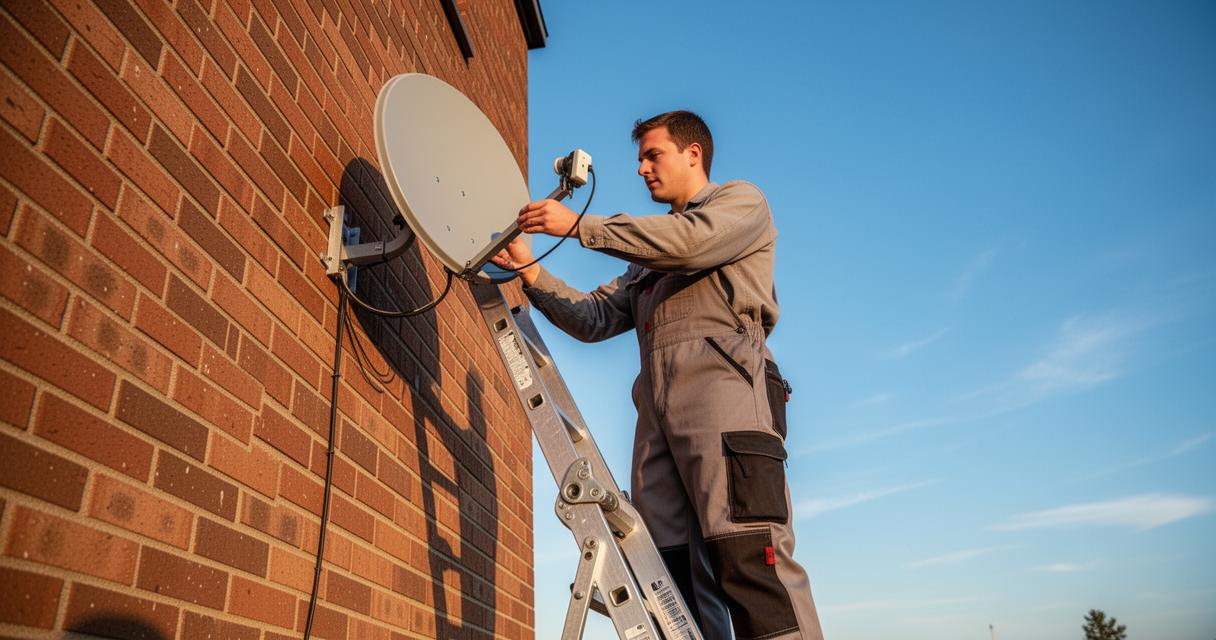
The initial outlay for satellite internet equipment can be higher than for traditional broadband connections, and this is a factor prospective subscribers should weigh carefully. The kit typically includes a satellite dish, a router and associated cabling, all of which must be installed in a position with a clear view of the sky. In some cases, obtaining permission from a landlord may be necessary, which can add complexity to the process. However, when measured against the alternative — no reliable internet access at all — the hardware investment often represents excellent value over time.
It is also worth considering the long-term cost trajectory. Competition within the satellite internet market has been steadily driving down prices and improving the quality of data plans, meaning that the overall cost of rural broadband via satellite is becoming increasingly competitive with traditional options. Prospective subscribers would do well to request a full breakdown of upfront costs, monthly fees and any additional charges before making a decision.
Comparing operator packages and additional features
When comparing operators, the range of available packages can vary considerably. Some providers offer plans with unlimited data and inclusive voice calls, whilst others focus purely on data connectivity. Key features to look out for include the volume of prioritised traffic included each month, the availability of mobile services, speeds on offer, and the terms of any commitment period. A plan with a higher monthly fee but genuinely unlimited data and consistent data speeds may ultimately prove more cost-effective than a cheaper option that throttles performance after a relatively modest allowance.
Ultimately, the right choice will depend on the specific needs of each household or business. Those seeking digital inclusion and a genuine route out of broadband isolation will find that the satellite internet market today offers a range of thoughtfully designed solutions. By carefully evaluating the full picture — from hardware costs and installation logistics to monthly allowances and additional services — rural subscribers can select a plan that delivers reliable internet connectivity and genuinely transforms their daily lives.
 Is big data really the future?
 Make a workstation ergonomic for your employee
 Smartphones and their uses: All you need to know
 The future improvements of cosmetics
 Maximizing location-based marketing with geofencing solutions
 Top photography gear and accessories you can buy online
 Capture Unforgettable Moments with an Action Cam on Your Holidays
 How to Choose High-End Cameras for Full Frame Photography
