
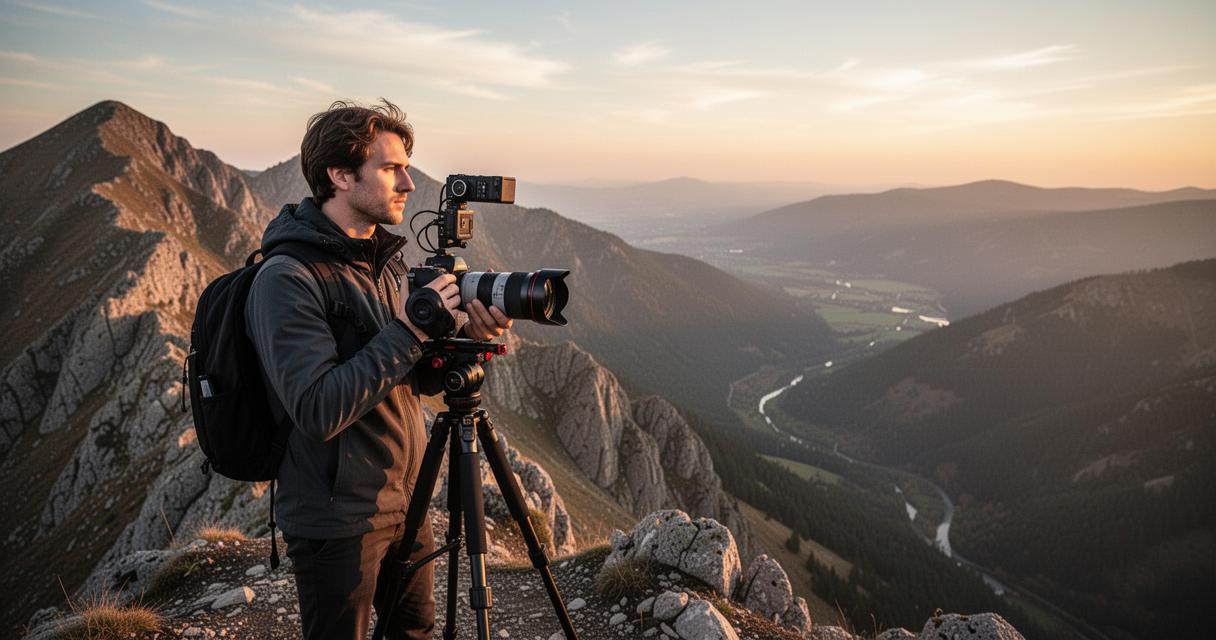
Investing in a high-end full frame camera is one of the most significant decisions a photographer can make. Whether you are a seasoned professional or an enthusiastic amateur looking to elevate your craft, understanding what separates a truly capable full frame body from the rest is essential before parting with your money.
Key takeaways
- Full frame sensors offer superior dynamic range, tonal gradations, and low-light performance compared to smaller sensor formats.
- Choosing the right resolution is a balance between image detail needs and the storage or processing demands of large files.
- Advanced autofocus systems and high-speed burst capabilities are critical features for photographers focusing on action, sports, or wildlife.
- Different photography disciplines prioritize specific camera features, such as high resolution for landscapes or fast burst rates for press work.
- Evaluating the long-term lens roadmap and ecosystem compatibility is essential, as lenses often outlast individual camera bodies.
- Photographers should select a body based on their specific shooting requirements rather than seeking a one-size-fits-all camera model.
Key Features to Look for in a Full Frame Camera
Sensor size, resolution and low-light performance
When exploring high-end digital cameras, the sensor sits at the very heart of every discussion. Full frame sensors are considerably larger than their crop sensor counterparts, and this physical advantage translates directly into richer tonal gradations, superior dynamic range, and a more natural rendering of light and shadow. Among the options currently available, resolution figures span from roughly 20 megapixels up to 61 megapixels, so there is a good deal to consider depending on ici your intended output and workflow. Higher resolution bodies produce larger file sizes, which in turn demands more from your storage and processing infrastructure.
Low-light photography is where full frame sensors genuinely distinguish themselves. ISO sensitivity capabilities vary meaningfully between models — some bodies extend well beyond 32,000 ISO, and at moderate settings such as 6,400 ISO, most leading full frame cameras maintain a level of image quality that holds up comfortably for large print work. Noise management and raw image quality differ between manufacturers, so it is worth examining sample files carefully before committing.
Autofocus systems and burst shooting capabilities
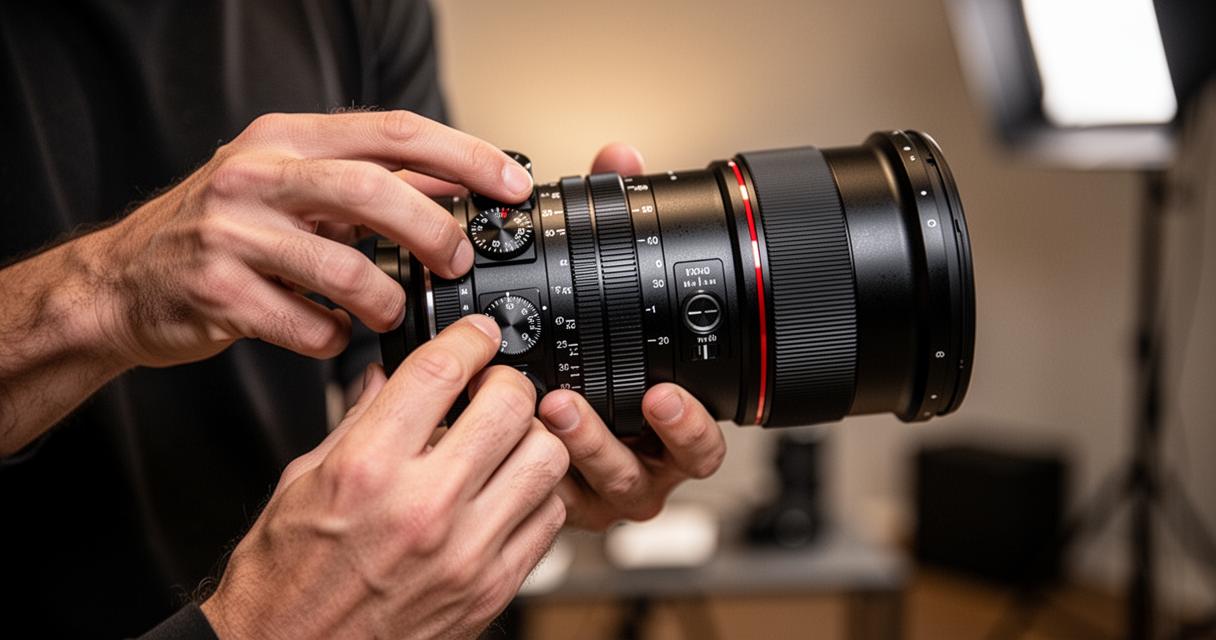
For action, sport, or wildlife work, autofocus performance is a decisive factor. Modern full frame bodies can offer hundreds of phase-detection AF points spread across the frame, enabling rapid subject acquisition and reliable subject tracking. Continuous shooting rates of 10 to 12 frames per second are achievable on several top-tier bodies, though buffer speed is equally important — a camera that slows to a crawl after a short burst can frustrate even the most patient photographer. Bodies producing very large RAW files may experience reduced buffer performance, a genuine trade-off worth weighing carefully.
Choosing the Right Full Frame Camera for Your Style of Photography
Matching camera bodies to different shooting disciplines
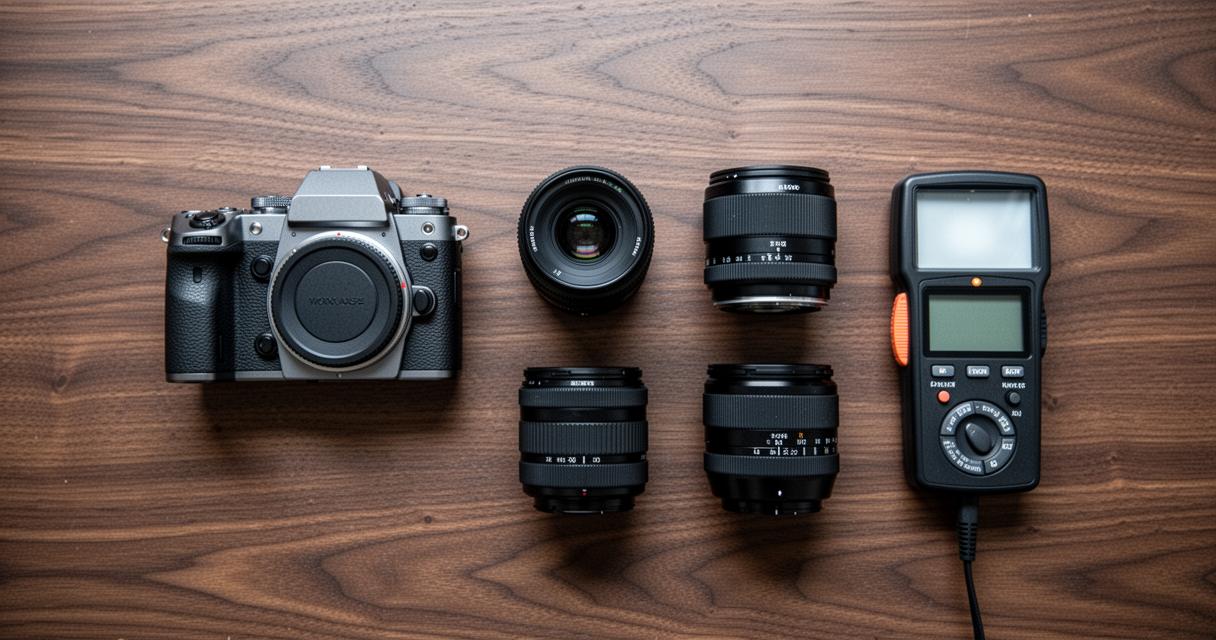
Not every full-frame stills camera suits every discipline equally. For landscape photography, high resolution sensors in the 45 to 61 megapixel range offer extraordinary detail, allowing significant cropping and very large format prints without visible quality loss. Portrait and wedding photographers, meanwhile, tend to prioritise colour accuracy, pleasing skin tones, and reliable autofocus in mixed lighting conditions. Sports and press photographers lean towards faster burst rates, robust shutter speed ranges, and extended camera battery life — some bodies delivering well over a thousand shots per charge under typical conditions. Understanding where your own work sits within these disciplines will narrow your choice considerably.
Lens compatibility and system ecosystem considerations
Choosing a camera body is only part of the equation. Camera lens compatibility and the breadth of the wider system ecosystem can prove just as decisive a factor over time. Some manufacturers benefit from a rich selection of third-party lenses, giving photographers greater flexibility and often better value. Others offer a more curated but potentially more limited range of native optics. Photographic gear accumulates quickly, and switching systems later involves real cost, so considering the long-term trajectory of a manufacturer’s lens roadmap is prudent from the outset. Digital camera sensors and camera sensor technology continue to evolve rapidly, but a strong lens ecosystem endures far longer than any single camera body.
Ultimately, the finest full frame cameras reward photographers who take time to align their choice with their genuine shooting needs, their preferred working style, and the ecosystem they wish to grow within. There is no single correct answer, but there is almost certainly a right answer for you.
 Is big data really the future?
 Make a workstation ergonomic for your employee
 Smartphones and their uses: All you need to know
 The future improvements of cosmetics
 Maximizing location-based marketing with geofencing solutions
 Top photography gear and accessories you can buy online
 Capture Unforgettable Moments with an Action Cam on Your Holidays
